
When someone mentions “Hollywood” most think about the luxuries and the glamour of the place; however, most do not know the feeling of having these luxuries and even worse, losing all of it once working so hard to obtain it. All stories discussed in the blog feature a protagonist that have experienced these luxuries, but with a cost that ultimately makes them unhappy in the end.
In Billy Wilder’s Sunset Boulevard, Norma Desmond, a former silent film star has a luxurious home and has experienced the attention and “glam” Hollywood has offered. Despite this, she is constantly trying to gain the “glam” she experienced so long ago back into her life again. Hollywood is depicted in the film as ruthless and unforgiving. Despite working so hard to earn the spotlight, it can be taken away in an instant. One scene in particular shows Norma Desmond visiting Paramount and is noticed by the cast as a spotlight shines on her as everyone praises her. In this scene everyone that notices her only knew who she was, not who she is now; one person even says, “I thought she was dead”. This fuels Norma’s delusions as she constantly works harder to earn the spotlight she thinks she deserves. In the end, Hollywood doesn’t care what Norma Desmond creates. All they care about is the next new things conveying the illusion of the “glamour” of Hollywoo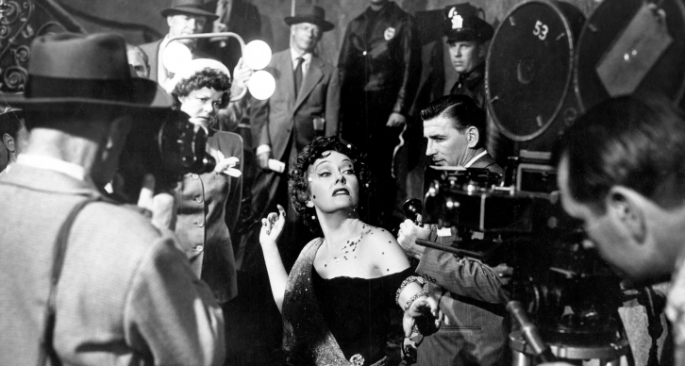
Now, in William Faulkner’s short story “Golden Land”, it follows a man named Ira who has given up his immortality to become successful in Hollywood. Ira is somewhat of a hypocrite throughout the story; despite hating the consumer culture in Hollywood, he is willing to do anything to become successful. Similar to Norma Desmond, Ira’s daughter, Samantha, is also willing to do anything to earn the spotlight they think they deserve. When Ira is speaking to his mother about his daughter’s situation he claims, “ ‘Can’t you understand that you can’t get into the pictures just by changing your name? And that you don’t even stay there once you get in?’ “ (141). This supports both Wilder’s and Faulkner’s views of Hollywood; people are willing to do anything to have the “glamorous” life Hollywood portrays.
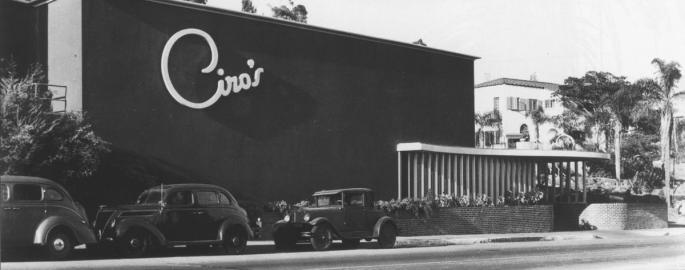
Lastly in the short “A Table At Ciro’s” by Budd Schulberg, it follows a famous producer named A.D. Nathan and staff and patrons working in Ciro’s craving his attention. The patrons at Ciro’s praise A.D. Nathan throughout the short story, when he comes to Ciro’s they explain he brings the patrons “a little closer to the Hollywood that was like a mirage, always in sight but never within reach.” (273). The patron’s view this man as their ticket into the “glamorous” Hollywood life; however, they don’t view him as a real person who worked hard – of even harder – to achieve this success. In the end, A.D. Nathan loses everything and is now an equal to all the patrons in Ciro’s.
All the protagonist in each story earn their spotlight at a great lost; Norma Desmond is forgotten by Hollywood, Ira loses his mortality for success, and A.D. Nathan loses all of his luxuries in matter of seconds. All stories depict the “glamorous” Hollywood as an illusion that inhabitants work so hard for and remain unsatisfied.
 *Barry B. Benson's voice* "Ya like LA?"
I really like the inclusion of your opinions and the way you connected it to the stories and the movie!!!!! Great job!!!
LikeLike